Study Japanese for "Your Development"

"Fall seven times, stand up eight."
Nanakorobi Yaoki - Japanese Proverb
Just Tab Here
Why Japanese Language?

Try to development with Japanese Language & Culture. 400+ Japanese organization is already establish in Bangladesh. More than 700+ planning to establist.

Why JLPT N5?

Education in Japan, so try to start learning Japanese language from today. Japanese university and college are waiting for your admission. So target the JLPT N5!

Set Your Goals for Success & Future

This is your world

Japan is a global leader in technology, with a focus on robotics, artificial intelligence (AI), and other advanced technologies. AI is booming, especially in Japan. Recently in Japan, there has been a rapid emergence of businesses utilising generative AI to produce anime and also manga

Japanese Culture

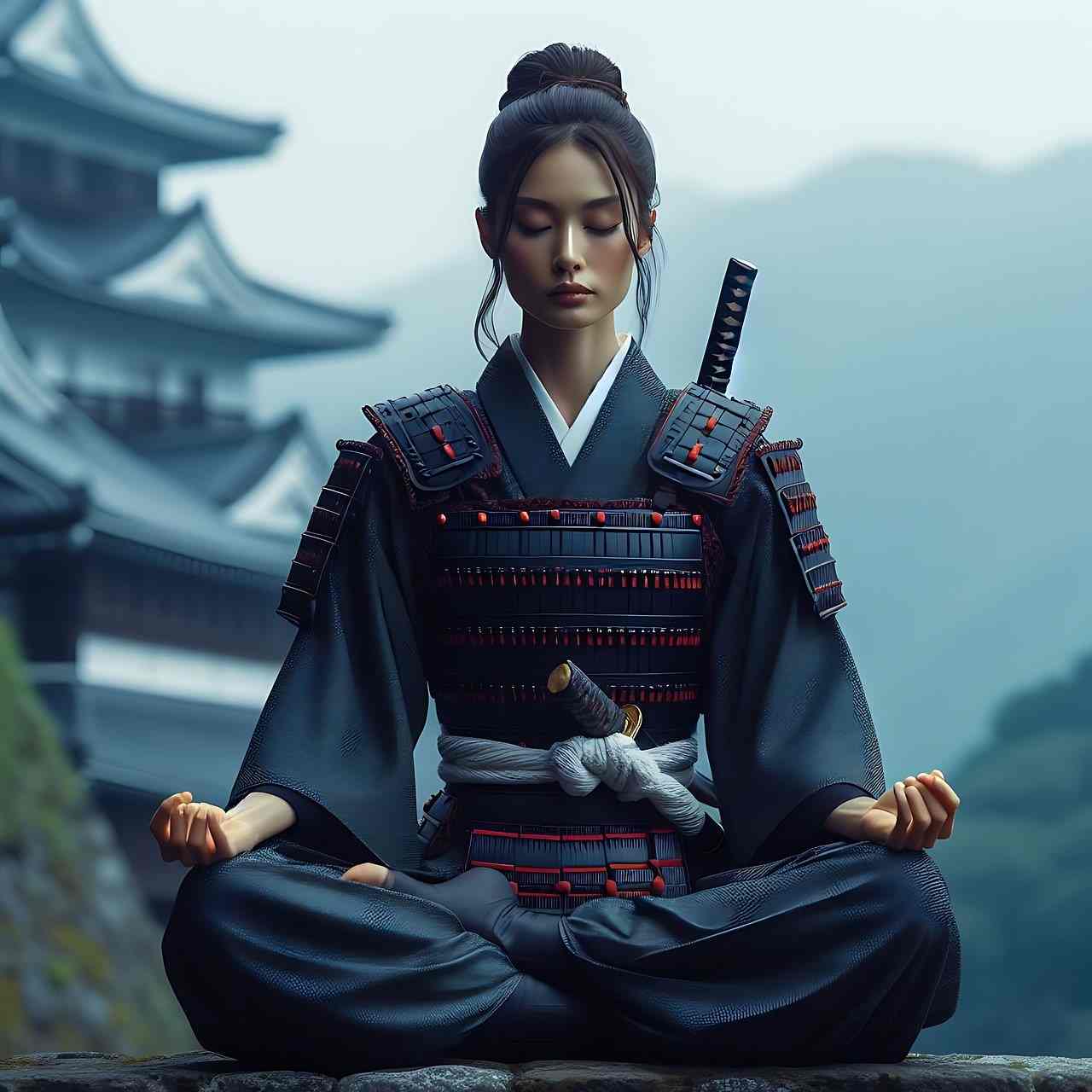
The culture of Japan has changed greatly over the millennia & from the country’s prehistoric. Japanese people still do everything possible to preserve their rich cultural heritage like the tea ceremony, wearing kimono and many more.

Japan is the best combination with natural beauty and technology

Life in Japan

Japan is known for its high quality of life, safety, and healthcare, and is considered a great place to live by many ways. It offers universal coverage, and services are affordable, accessible, and high quality. The system focuses on preventative care, which helps people live longer. Japan is the best combination with natural beauty and technology


Higher Education in Japan

life is like a race so keep on running until your success. Japan is a popular destination for higher education, and offers many opportunities for international students. Quality education: Japan is known for its high-quality education system, which consistently ranks well in international assessments. Japan is a leader in STEM (science, technology, engineering, mathematics and agriculture). Affordable tuition: Tuition fees in Japan are generally more affordable than in the US, UK, and other developed English-speaking countries.

Sakura - Cherry Blossoms

Sakura is the Japanese word for cherry blossoms, and they are a national obsession in Japan. Cherry blossoms are the flowers of ornamental cherry trees, and are usually not from trees grown for their fruit. the blossoms start to fall; providing a stark reminder that although life is beautiful, it is also ephemeral and short. Each year, people in Japan gather together to watch the sakura bloom from March through May and observe how at the peak of their beauty.

Natural Beauty

Japan has many natural wonders, including mountains, islands, national parks, and other scenic spots. one of the most beautiful country in the world. Japan is the best combination with natural beauty and technology. So try to visit Japan and make it possible.

History of Hiroshima

Hiroshima, Japan has a rich history that includes its founding as a castle town, its role in military conflicts, and the atomic bombing in 1945. Hiroshima was founded in 1589 as a castle town on the Ōta River delta by the feudal lord Terumoto Mori. Still now it also development city in Japan, heavy industries such as shipbuilding, steelmaking, automating and many more. Hiroshima was developed before the 2nd world war. After the atomic bombing in 1945 during world war, Japanese people recovered themselves and now Hiroshima is one of the richest and also developed cities in Japan and alsoin the world.

Local Transportation

Local transportation in Japan includes trains, buses, and taxis. Japan's train network is known for being efficient, modern, and on time. The main type of train is the Shinkansen, or bullet train, which connects the country from Hokkaido to Kyushu. Buses are a secondary means of transportation in large cities, but are the most popular way to get around in smaller cities and rural areas. Bicycle and airplane are also suitable for local travel in Japan

Sky Link in Japan

Japan has many high-rise buildings, including some of the tallest in the world. "Tokyo Sky Tree" is 634 meters tall and is the tallest structure in Japan, and the third-tallest freestanding structure in the world. In Tokyo many other high rise building are available. "Umeda Sky Building" A mixed-use skyscraper in Osaka with two 40-story towers connected by a glass-bridged "Floating Garden Observatory" on the 39th floor.

Corporate Life in Tokyo

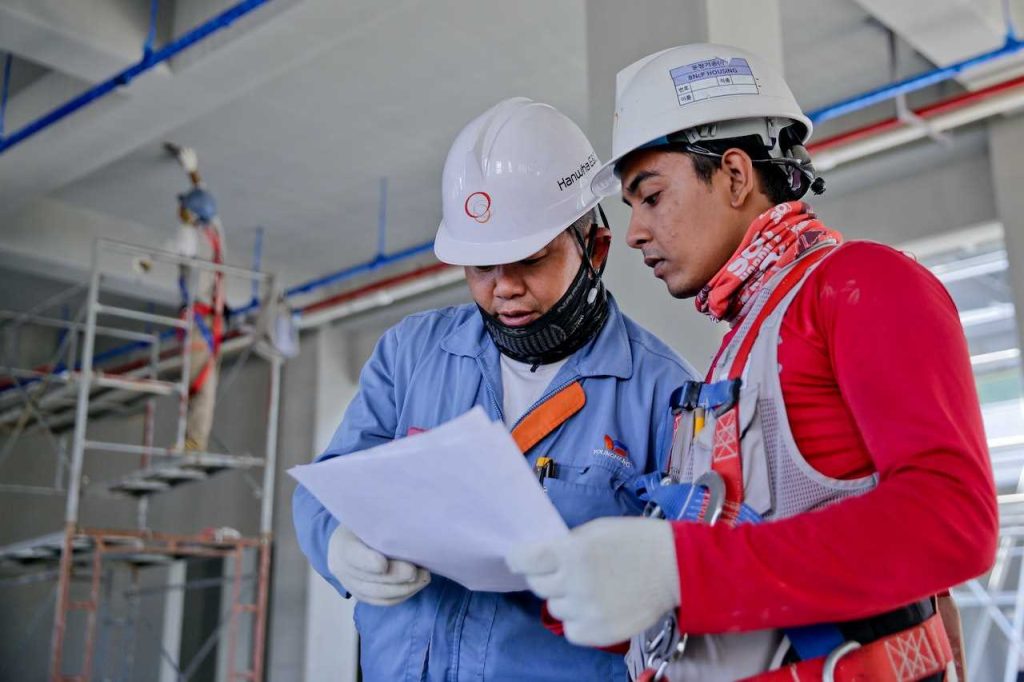
Japanese corporate culture emphasizes group goals and cooperation over individual achievements. Employees are expected to be loyal to their organization and superiors, and to show respect to everyone. This means that employees in Japan are expected to work together as a team, with a focus on cooperation and harmony rather than competition and individua

Food: International & Local

Japan has a rich culinary history and has also adopted and adapted many foreign dishes. Japan's main crops are rice, wheat, soybeans, barley, corn, peanuts, rapeseed, and oats. Rice is the country's largest crop by volume. Traditional Japanese cuisine features some of the best foods in the world from raw fish like sushi to the best beef and many more. Local and almost all kind of International food is available in Japan.

Japanese Kanji

Kanji are Chinese characters that were introduced to Japan in the 5th century through the Korean peninsula. Kanji are used to write nouns, adjectives, adverbs, and verbs. They are most commonly used to write names and nouns, and when used in verbs and adjectives they are often written in combination with hiragana

Japanese Tea Ceremony

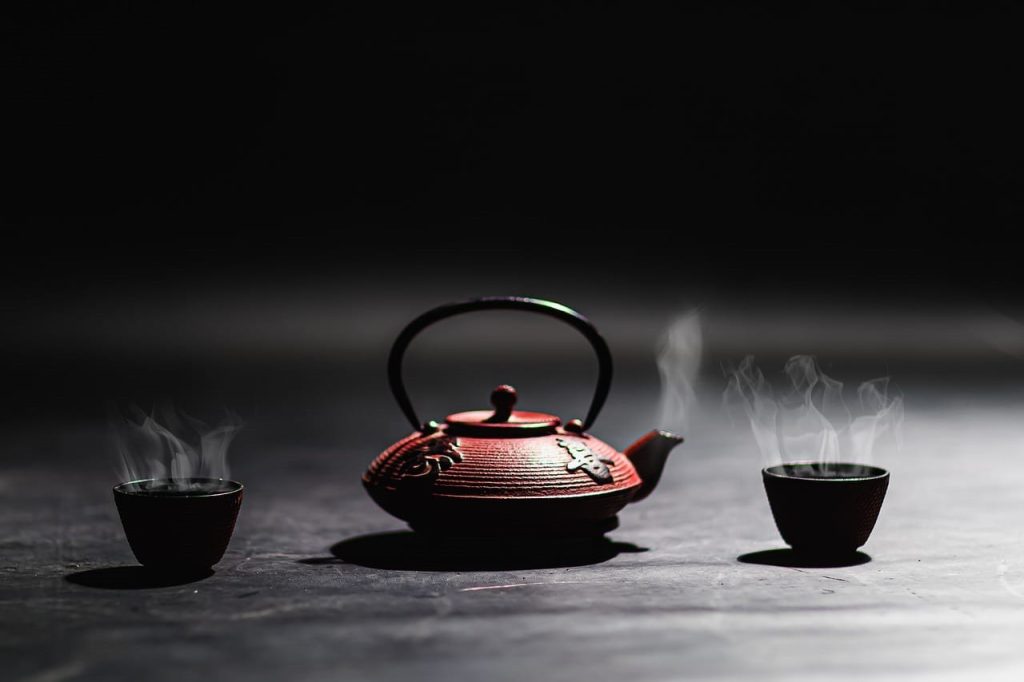
Japanese tea ceremony a full, formal tea ceremony is a multi-hour event that starts with a kaiseki course meal, is followed by a bowl of thick tea and ends with a bowl of thin tea. The ceremony is intended to promote harmony, mindfulness, and well-being, and to create a connection between the host and guests.

Part Time Jobs

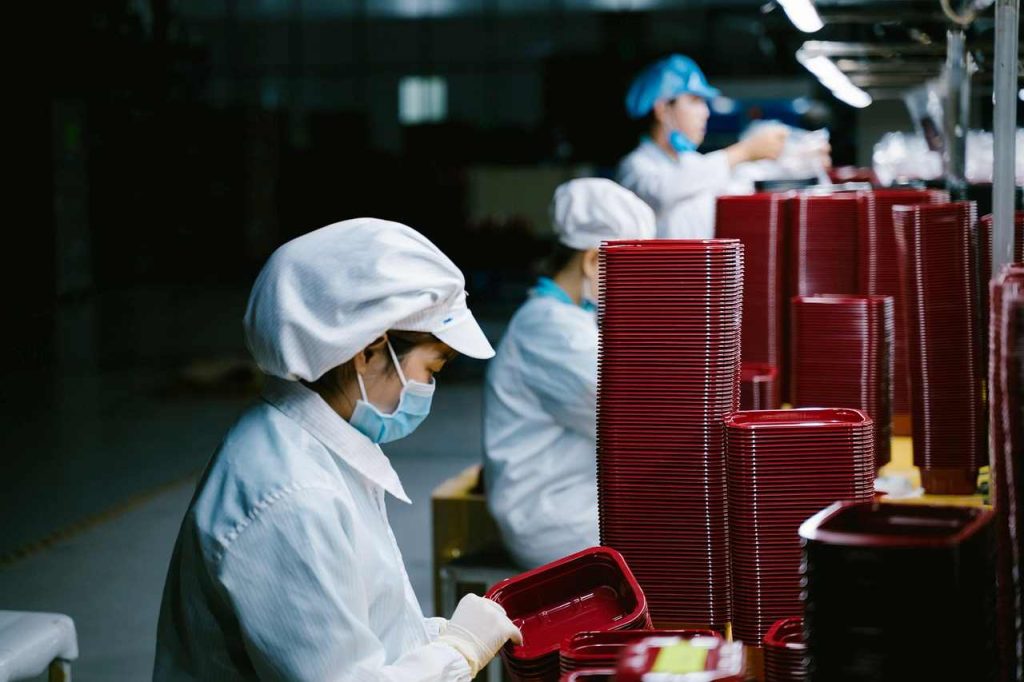
There are many part-time jobs available in Japan. Restaurant work a popular choice for international students, this could include working in a chain restaurant, fast food restaurant, or conveyor belt sushi restaurant. Retail work, this could include working in a convenience store or other retail store.

Full Time - Corporate Jobs

Here are some things to consider about full-time jobs in Japan. The legal recommendation in Japan is 40 hours per week, but some employers require up to 80 hours of overtime per month. The average annual salary in Japan is around 6,170,000 Japanese Yen (JPY) or about 45,453 USD. Pay is based on years of experience and length of employment.

Air Tickets Available

In Japan every where airport is available. the country has a total of 98 airports, of which 28 are operated by the central government and 67 by local governments.